
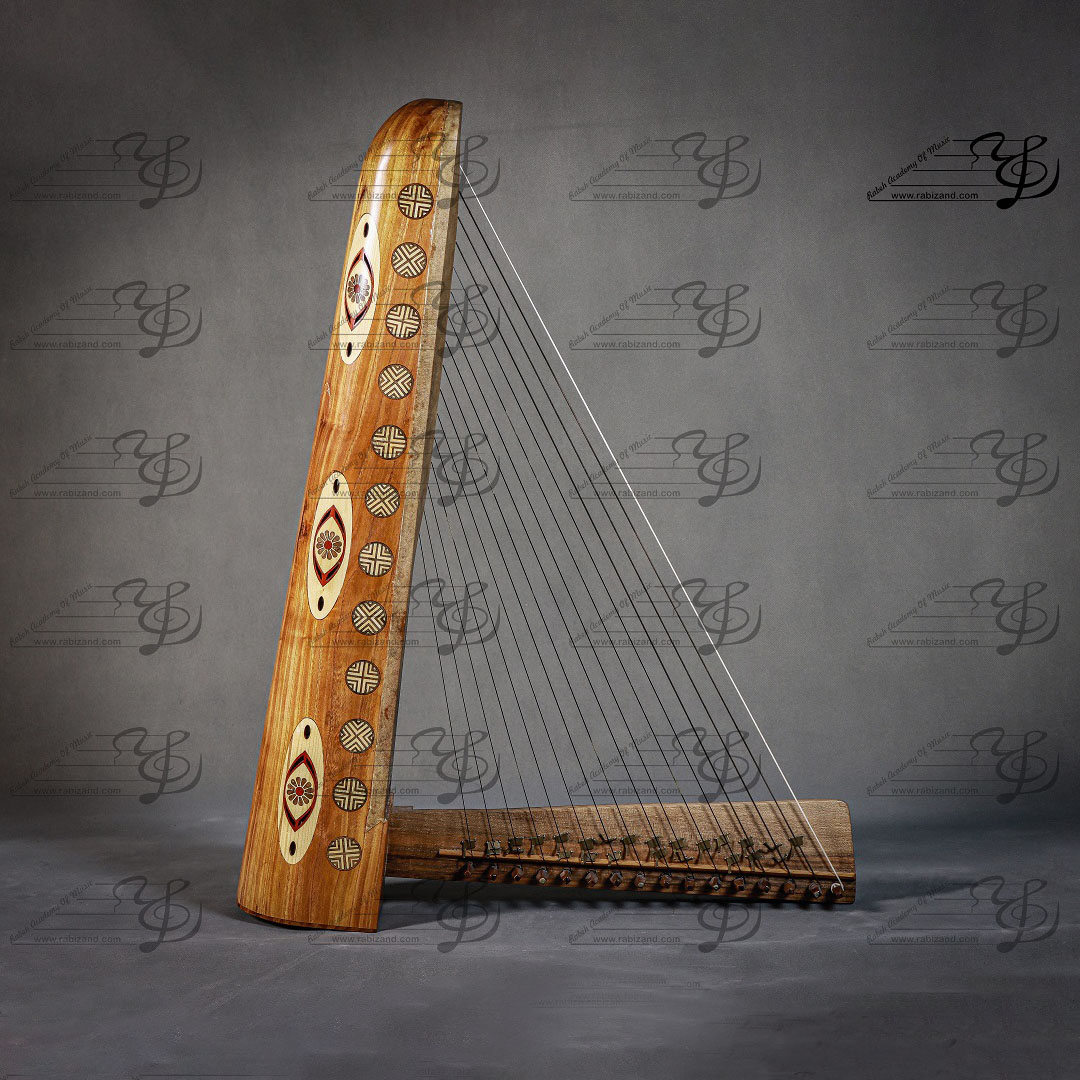
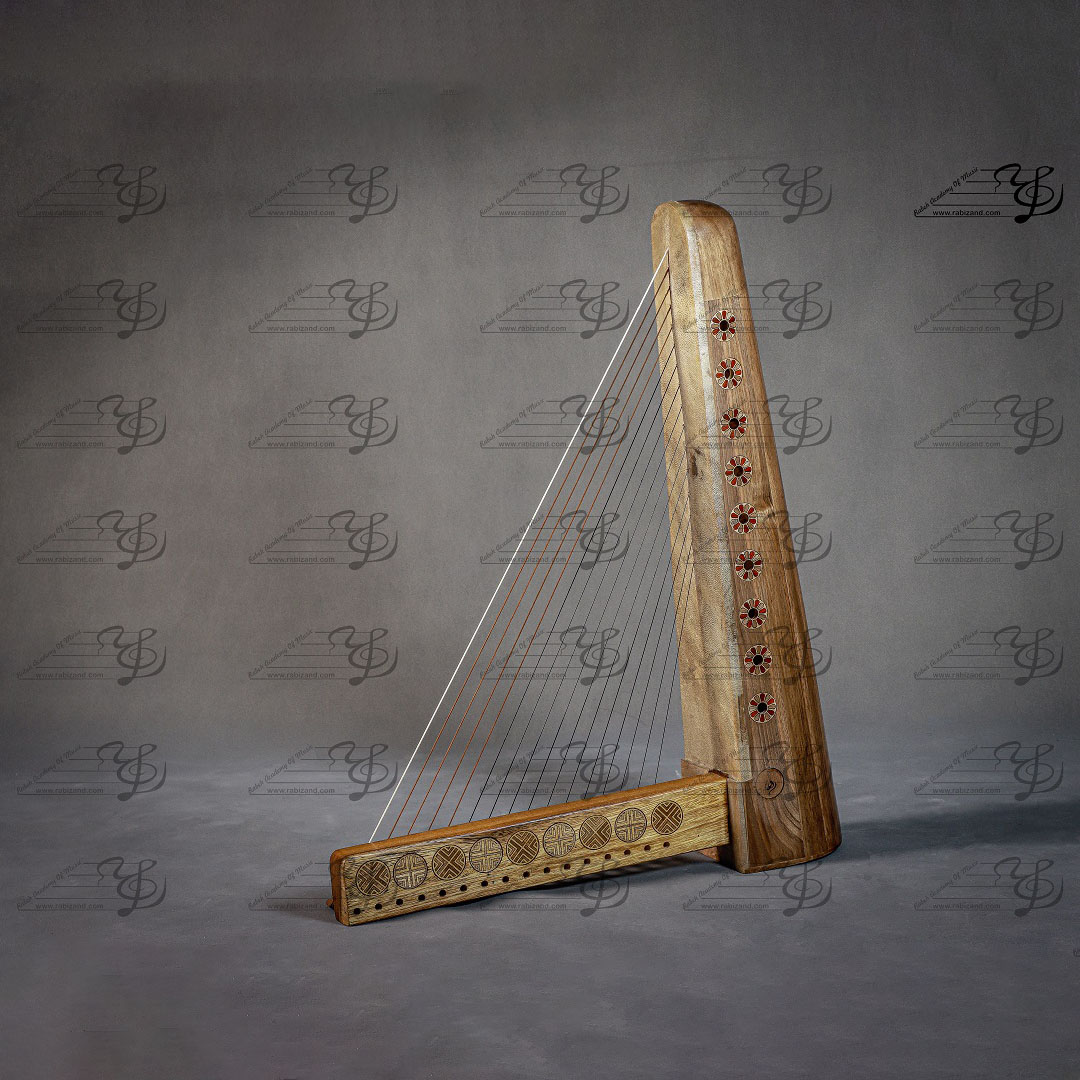
Authentic Design: The Napir-asu Harp is inspired by ancient models, and its curved or triangular shape reflects Elamite aesthetics.
Strings: Typically 6 to 10 strings, made from natural materials such as animal gut or plant fibers.
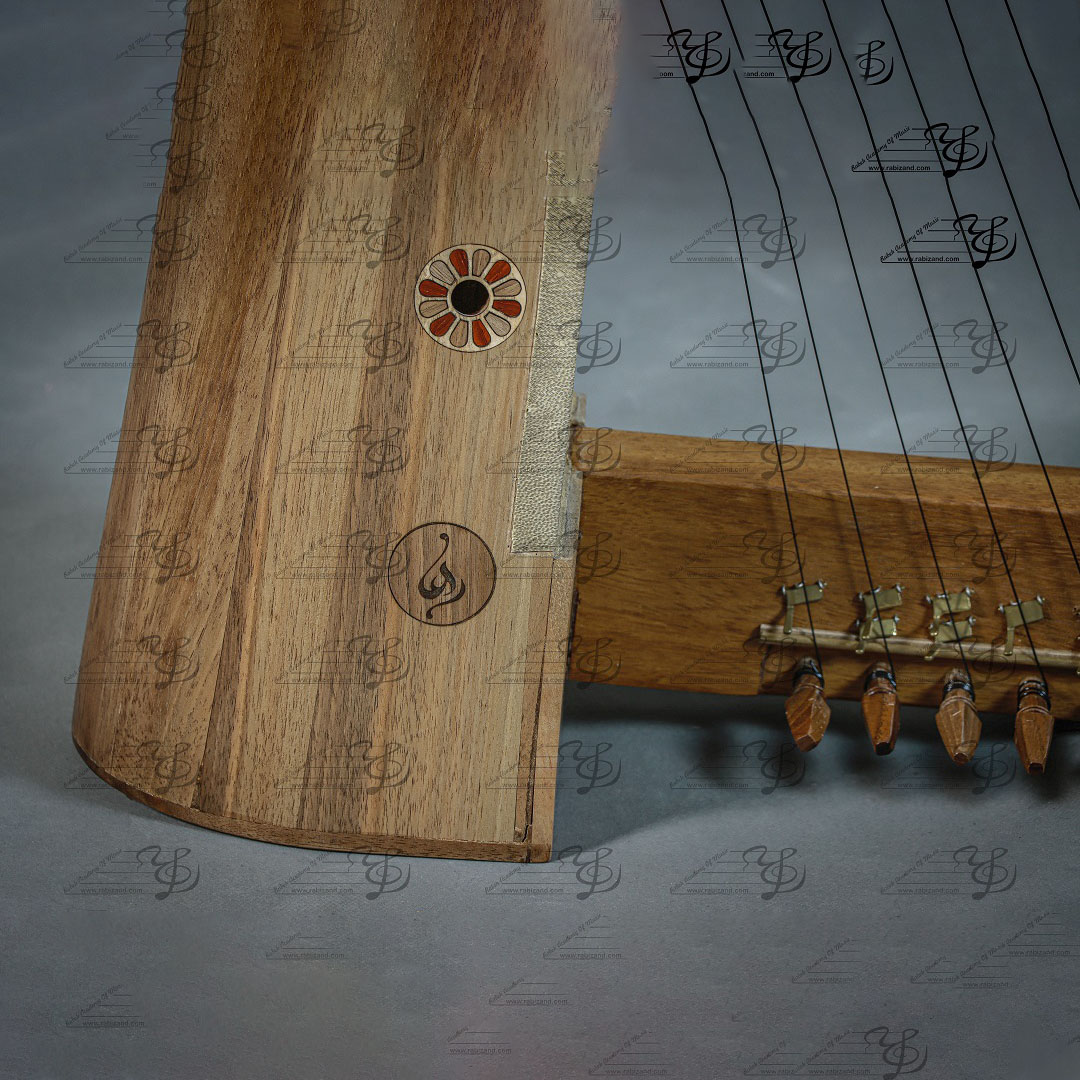
Body: Crafted from high-quality wood, with careful detailing that conveys a historical and artistic feel.
Uses: Suitable for traditional music performances, historical research, and even cultural or artistic exhibitions.
High Build Quality: Constructed from durable materials for long-lasting use.
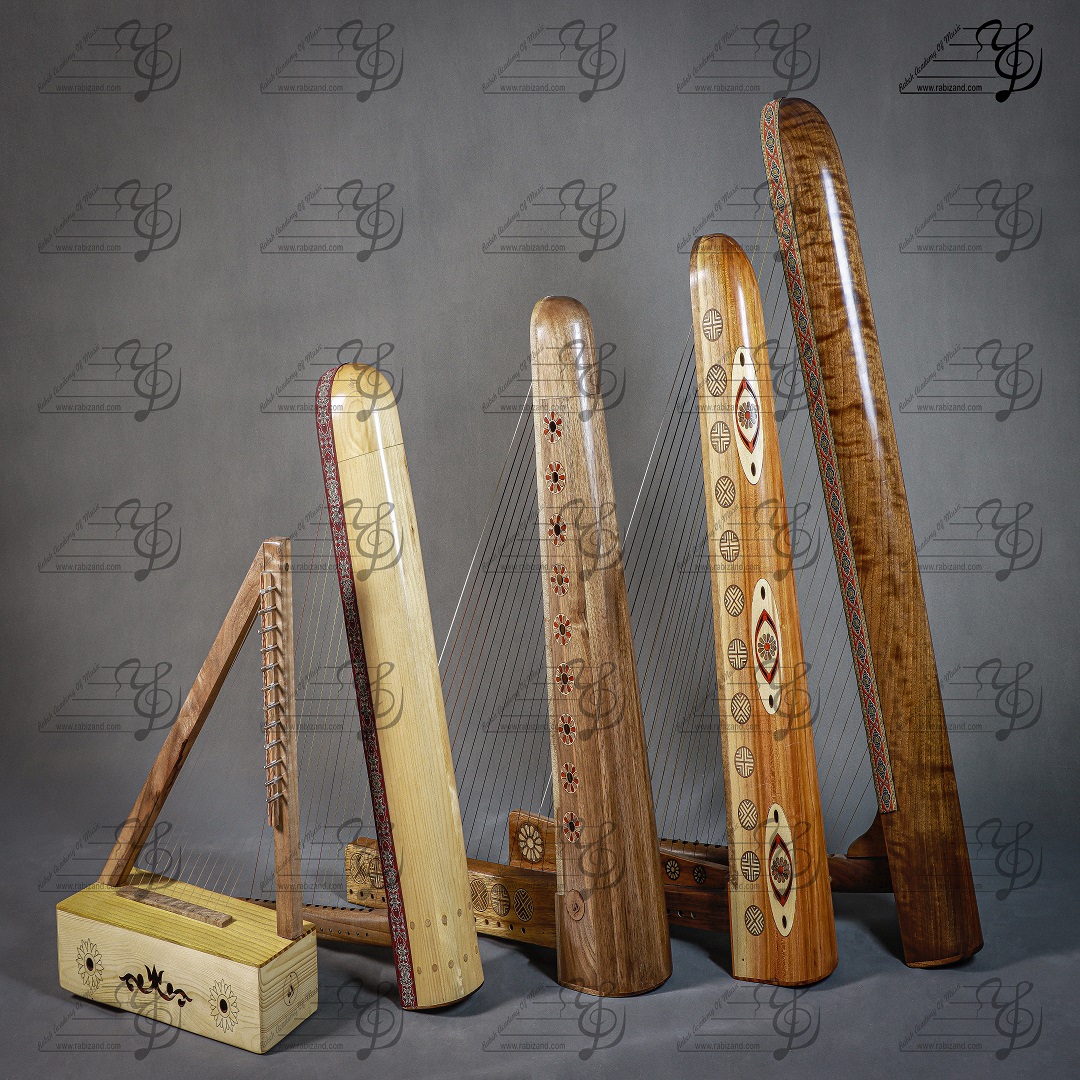
Standard Dimensions: Ideal for display in showcases, on desks, or as part of home decor.
Elegant Packaging: Designed as a gift for art and history enthusiasts.
The Napirasu Harp is not just a musical instrument; it is a bridge between the glorious past of ancient Iran and our present. This reconstructed harp is rooted in the Elamite civilization, and its name is linked to a historical figure of that era, Napir-asu, the queen of the Elamite king. In essence, the Napirasu Harp symbolizes the art, rituals, and culture of people who lived over three thousand years ago in what is now Khuzestan, considering music an inseparable part of their ceremonies and celebrations.
The Napirasu Harp held a special place in ancient Iran. Clay seals and artifacts from archaeological sites such as Chogha Mish depict harp players, indicating that this instrument was already in use in Iran as early as the 4th millennium BCE. The Elamites, one of the earliest Iranian civilizations, used the harp not only for entertainment and music but also in religious rituals and official ceremonies. The name Napirasu highlights the importance of music and the harp even within the royal court and among the ruling family.
Authentic Design: Inspired by ancient examples, its curved or triangular shape reflects Elamite aesthetics.
Strings: Usually 6 to 10 strings, made from natural materials such as animal gut or plant fibers.
Body: Crafted from high-quality wood, with meticulous detailing that conveys a sense of history and artistry.
Uses: Suitable for traditional music performance, historical research, and cultural or artistic presentations.
High Build Quality: Durable and resilient materials ensure long-lasting use.
Standard Dimensions: Ideal for display in showcases, workspaces, or home decor.
Elegant Packaging: Designed as a gift for art and history enthusiasts.
The Napirasu Harp is more than just an instrument; it carries a story from the distant past. Owning this harp allows you to:
Experience the unique and ancient sound of a historical instrument.
Preserve it as an artistic and cultural piece in personal collections or museums.
Add a historical and distinctive element to performances of traditional or ritual music.
If you are passionate about Iranian history and culture, this harp is a living relic from the past.
For musicians and performers, it offers the opportunity to explore a unique, historically rooted sound.
For collectors and cultural enthusiasts, it is a valuable and rare piece.
A special gift for anyone who loves music and history.
The Napirasu Harp is both an artistic and cultural creation. This reconstructed instrument transports you into the world of the Elamites and ancient Iranian music, where music was not merely entertainment but a part of rituals, beliefs, and daily life. By choosing this harp, you are not just purchasing an instrument you are bringing a piece of Iranian history and cultural identity into your home or collection.